What does traffic control and management software do?
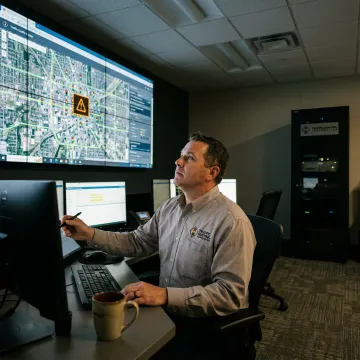
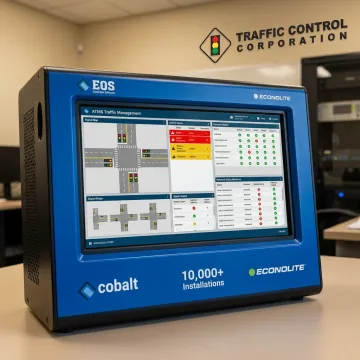
Traffic control and management software helps agencies monitor intersections, coordinate signal timing, manage schedules, receive alarms, review detector data, and respond to field issues from a central platform. For signal networks using systems such as Econolite Centracs, the software connects field controllers, maps, reporting tools, and operational workflows so staff can manage corridors more efficiently.
What is included in an ATMS installation or upgrade?
An ATMS installation typically includes server setup, communications configuration, intersection database development, map creation, controller connectivity, alarm setup, scheduler validation, and system testing. TCC also supports agencies migrating from older central systems, helping confirm that monitoring, reporting, and scheduled operations function across the full signal network before staff rely on it.
Why does ATMS software need regular maintenance?
Ongoing maintenance helps prevent a central signal system from becoming unreliable or underused. TCC reviews communications health, clears accumulated alarms, checks database integrity, verifies scheduler accuracy, applies software patches, and confirms detector data quality. These checks help agencies preserve the operational value of the ATMS after deployment.
Can TCC train our staff on traffic management software?
Yes. TCC provides product and systems training tied to the controllers, detection equipment, and central software an agency has purchased or is preparing to deploy. Training can cover Econolite Centracs features, monitoring tools, maps, alarms, reports, scheduler functions, and practical day-to-day workflows for operations and maintenance staff.
Who uses TCC’s traffic control software support services?
TCC works with state and local transportation agencies, Departments of Transportation, municipal governments, county transportation departments, local contractors, and consulting service providers. The team supports both operational staff managing existing systems and project teams planning new deployments, upgrades, or integrations across signal networks.
Can you help if our central system is not communicating with intersections?
TCC can assist with communications configuration between central software and field controllers, then help troubleshoot performance issues when devices stop reporting correctly. Support may include reviewing network health, controller communication status, alarms, database records, and related field equipment to isolate whether the issue is software, hardware, wiring, or communications infrastructure.
What areas does Traffic Control Corporation serve?
TCC supports agencies across eleven Midwest states: Illinois, Indiana, Iowa, Kansas, Michigan, Minnesota, Missouri, Nebraska, North Dakota, South Dakota, and Wisconsin. Regional offices and a Woodridge, Illinois facility help the team provide product support, field service, training, and application assistance for transportation agencies and contractors throughout the territory.
When should an agency request a software health check?
The best time is before software problems affect corridor operations or staff confidence. Agencies often request support during upgrades, after adding intersections, when alarms accumulate, when schedules appear unreliable, or when detector data quality declines. Regular health checks can catch database, communications, reporting, and patching issues before they become major operational problems.