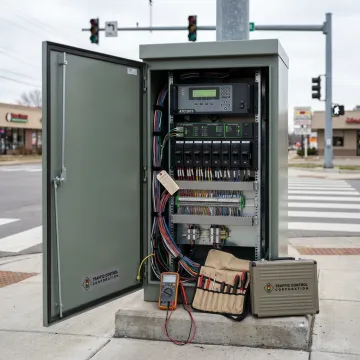
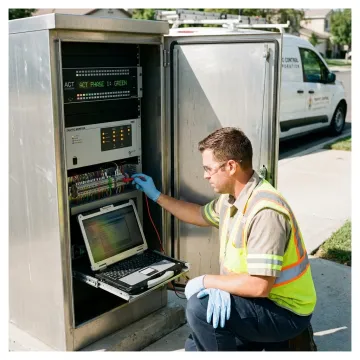
An ATC cabinet is a traffic signal controller cabinet built around Advanced Transportation Controller architecture. It houses the controller, monitor, power distribution, load switching, detection interfaces, communications equipment, and safety components that operate a signalized intersection. Proper cabinet selection, wiring, programming, testing, and preventive maintenance are critical because failures can lead to flashing signals, dark intersections, or unreliable detection.
What does the ATC stand for?
In the traffic signal industry, ATC typically stands for Advanced Transportation Controller. The term is used for modern controller standards and cabinet systems designed to support traffic signal operations, detection, communications, coordination, and intelligent transportation system functions. ATC technology helps agencies manage more complex intersections and corridors while maintaining a standardized platform for maintenance and future upgrades.
When should an agency consider upgrading to ATC Cabinets?
ATC Cabinets are commonly used where agencies need modern controller capability, better communications support, and flexible integration with detection, preemption, and central management systems. They are especially valuable for upgraded corridors, rebuilt intersections, and locations where legacy equipment limits operations. TCC can help review cabinet type, project specifications, manufacturer compatibility, and field constraints before equipment is selected.
What is included in an ATC cabinet health check?
A cabinet health check typically reviews grounding, surge protection, power supply output, load switches, flashers, backpanel wiring, thermal management, UPS performance, and battery condition. Technicians may also review controller operation, monitor status, detection inputs, and communications. This preventive work helps agencies identify weak components before storms, heat events, or aging hardware create a dark or flashing intersection.
Can TCC troubleshoot ATC cabinet problems in the field?
Yes. TCC field technicians provide onsite troubleshooting across our eleven-state Midwest territory when an intersection issue cannot be isolated by agency staff. Technicians work through the cabinet system, including the controller, monitor, load switches, detection inputs, communications, programming, and wiring. The goal is to determine whether the issue is hardware, software, field wiring, or an upstream network problem, then recommend repair or replacement.
How does TCC support signal turn-on for new cabinets?
TCC supports signal turn-on by verifying cabinet wiring against the plan, confirming phasing and conflict monitor programming, testing flash operation, and running the intersection through full operation before release. This commissioning step is important because turn-on is one of the highest-risk moments in a signal project, especially when new cabinet hardware, controller programming, and detection systems come together.
Can TCC help choose the right ATC cabinet equipment?
Yes. TCC offers product selection and application assistance for agencies, consultants, and contractors. The team helps match cabinet systems and related equipment to intersection geometry, existing cabinet constraints, project specifications, and manufacturer compatibility requirements. This support is especially useful when legacy installations restrict what can physically or electrically integrate with the final signal design.
Who does TCC support for ATC cabinet projects?
TCC serves state and local transportation agencies, Departments of Transportation, municipal governments, county transportation departments, local contractors, and consulting service providers. Support can include product selection, cabinet health checks, onsite troubleshooting, signal turn-on assistance, repair services, and training tied to equipment the agency has purchased or is preparing to deploy.